
Groundworks rarely attracts attention when everything runs smoothly – but executed poorly, it can derail a programme when early decisions are rushed or key risks are missed.
Delays often start with assumptions about ground conditions, drainage falls, service locations or approvals, then turn into redesign and extra cost. Below are practical lessons that help developers, QS teams and site managers de-risk the groundwork stage before excavation begins.
Rushing the survey stage
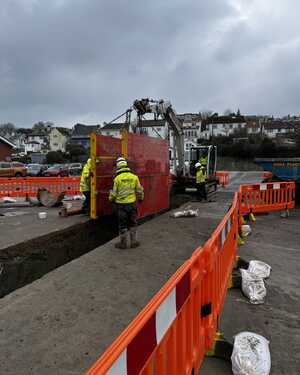
Ground conditions decide scope and sequencing
Drainage problems are difficult to fix once roads and plots are moving. Poor falls, missing access, clashing routes and an unclear SuDs strategy can trigger rework at the worst possible juncture.
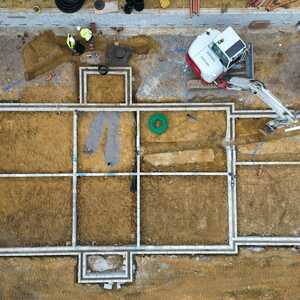
Bringing foul & surface water drainage into the early design phase aligns tanks, permeable areas, chambers and outfalls with finished levels and maintenance access. It also supports sequencing, so drainage installation sits neatly alongside foundations and service routes rather than competing with them. Clear access points reduce future maintenance issues.
Starting approvals too late
Adoption routes have lead times you cannot ignore
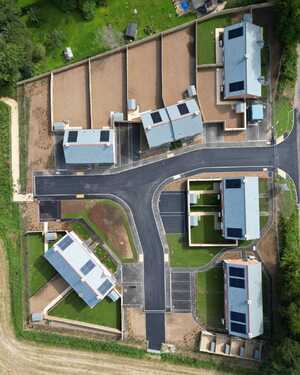
Statutory processes do not compress easily. If a scheme includes Section 38 & 278 works, you need time for design checks, permits and traffic management planning – otherwise the programme can stall when highway interfaces become critical.
Meanwhile, with regards to sewers, adopted connections, testing and reinstatement require early planning, particularly where sewer requisitions sit on the critical path. Starting these conversations early protects momentum later. Plan inspections and hold points early in the programme. This reduces late redesign around tie-ins.
Underestimating utilities and live services
Diversions need diligent coordination
Unexpected services are one of the fastest ways to lose time on site. Records are certainly useful, but live services still need careful location, protection and coordination with providers. Where diversions are required, the programme must allow for design, approvals and safe working methods.
Integrating utility diversions into early planning reduces last-minute route changes that affect levels, drainage and surfacing. It also reduces risk, as crews are able to plan excavations and plant movements around known constraints and working areas.
Losing control of sub-structures and finishes
Tolerances, falls and edges need attention from day one
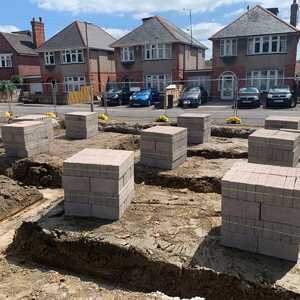
Sub-structure works set the geometry of the build, so small errors become expensive quickly. A coordinated approach to foundation construction and sub-structure block and brickwork keeps dimensions true and interfaces clean between trades, including service penetrations and floor build-ups.
External areas depend on the same discipline. Planning asphalt surfacing & external finishings early helps coordinate kerbs, formation build-ups and cover levels, so final falls work with drainage and the finished site reads cleanly.
A simple way to de-risk your next project
Bring groundworks into the conversation early
Most pitfalls disappear when the groundwork scope is defined early, interfaces are mapped, and the programme allows time for approvals and coordination. N&G Groundworks support developers and main contractors across Dorset, Devon and Somerset with clear planning, accurate delivery and safe site coordination.
If you want early input on surveys, drainage strategy or infrastructure sequencing, speak to our team and get clarity before costs and timescales are locked in. Early engagement saves time later, particularly on multi-plot schemes.
Posted on January 30th 2026
 Updating page...